Partnerships in Northern Haiti Bring Nutrition to Those Who Need it Most
Almost five million Haitians are going hungry and need food assistance, according to recent UN figures. The violence and related insecurity created by heavily armed rival gangs has periodically closed the border with the Dominican Republic, the main international sea port in Port au Prince as well as the main international airport. These closures drastically affected the availability of goods, including food.
Haiti imports between 50% to 85% of its food—depending on the crop, the season, and the situation on the ground. These factors combined with no safe passage to move goods around the country and astronomical inflation rates have caused a food crisis for millions. At this time some 1.64 million people are facing emergency levels of acute food insecurity.
Children are particularly impacted, with an alarming 19 per cent increase in the number estimated to suffer from severe acute malnutrition in 2024.
We have been hearing consistent reports of increased rates of malnutrition across the country as well as an increase in severity of cases. These alarming trends have driven our decision to invest time and resources in nutritional support this last quarter.
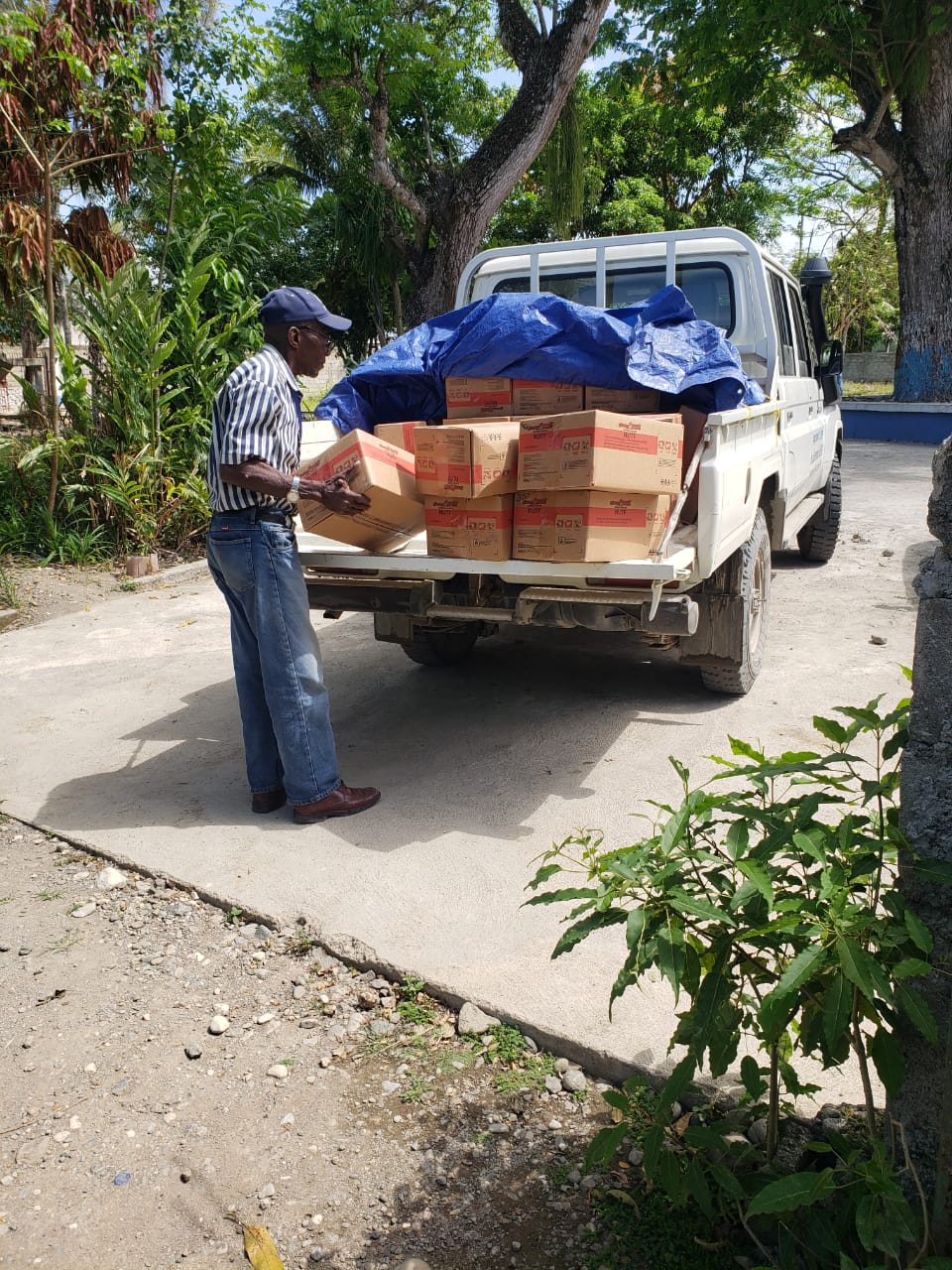
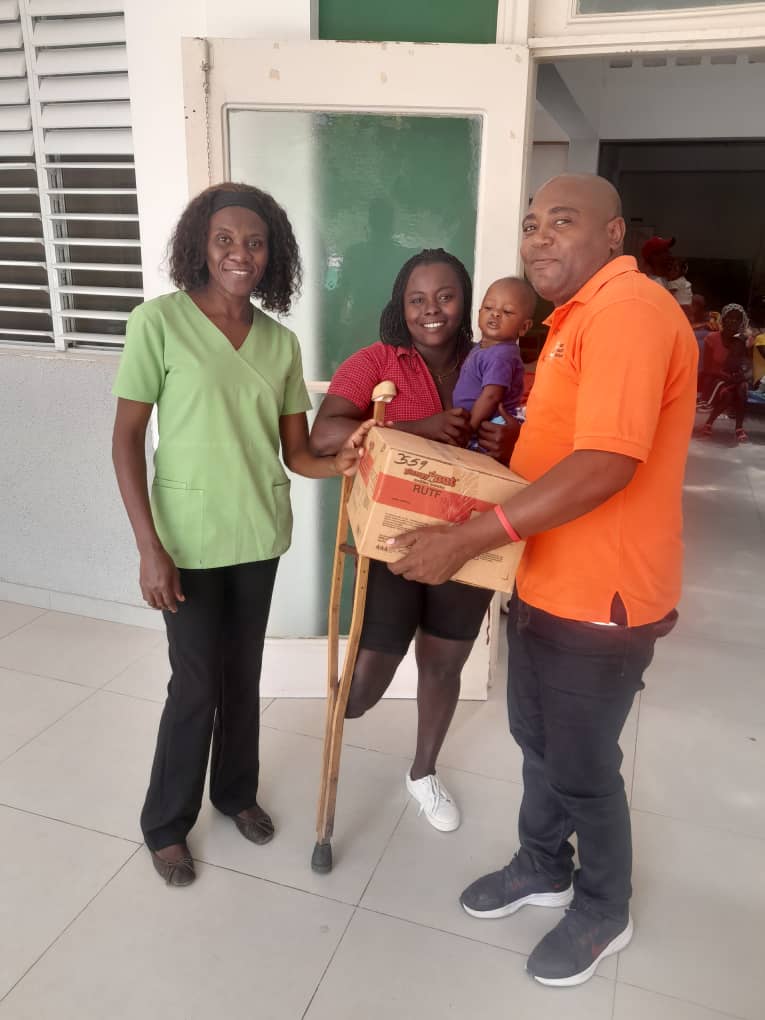
In partnership with the ministry of health director for the North Department we were able to support and participate in the distribution of 947 cases of Plumpy Nut, each case containing 150 individually packaged servings of potentially life saving therapeutic food. In addition to the Plumpy Nut, 126 cases of Mighty Baby, a supplement developed to fight malnutrition were delivered, 110 bottles of amoxicillin, 4 cases of 24 cans of F75 therapeutic milk and 4 cases of vitamin A and folic acid.
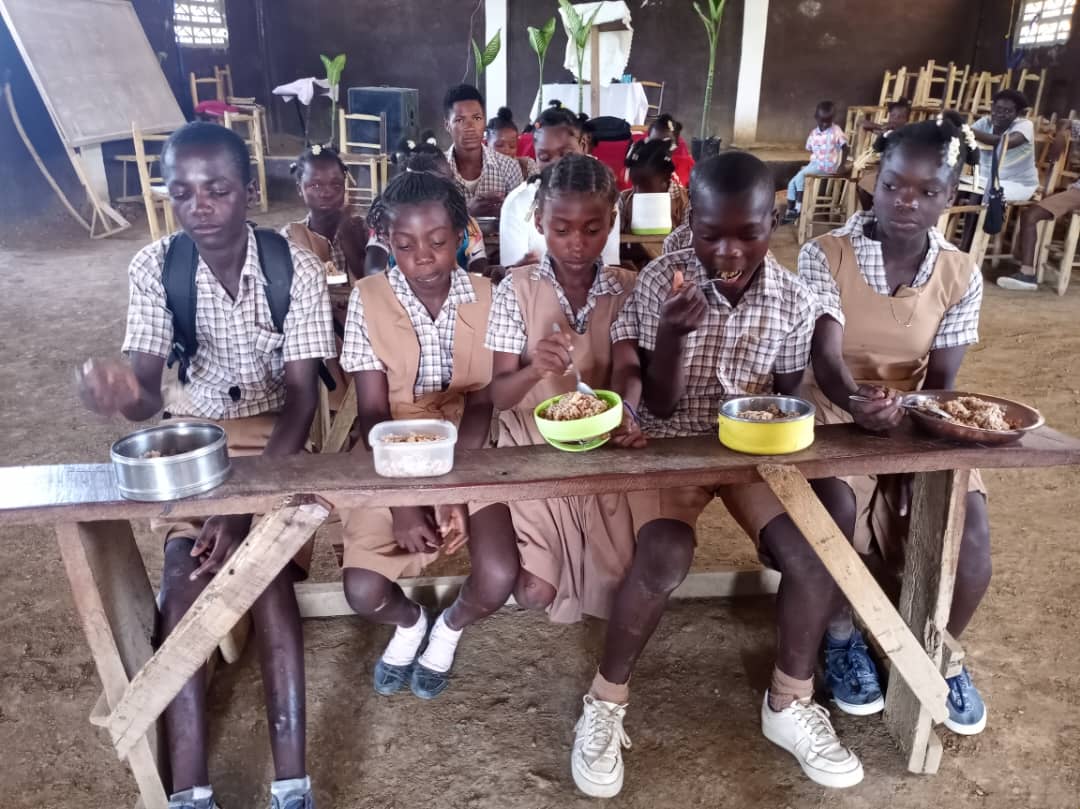
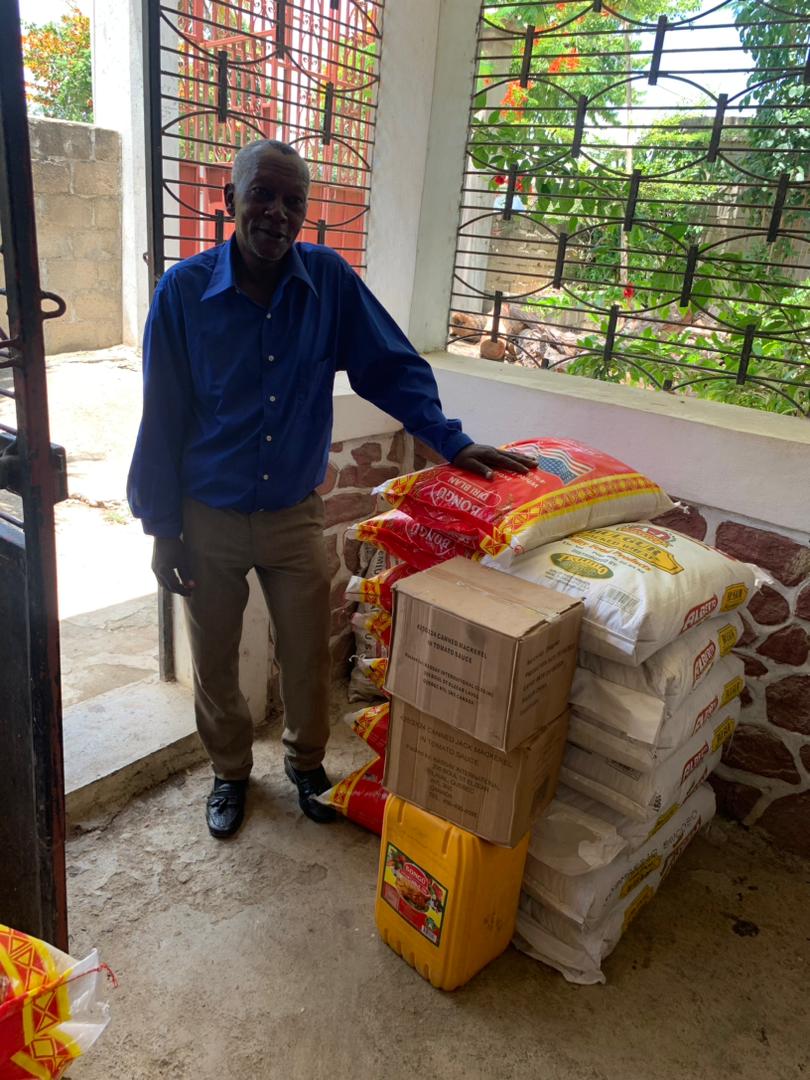
Through partnership with Haiti Health Network, Mission of Hope and Samaritans International we were able to distribute additional nutritional support to 4 schools in Ranquitte, Haiti. These provisions were able to feed 805 students mid-day meals. This distribution consisted of over 1,300lbs of rice, jugs of cooking oil, canned salmon, and bulgar. Providing meals at school in Haiti is so important. Not only does it increase attendance but a full belly also improves learning.